Trusted by 185+ Homeowners
Thermal Imaging Leak Detection in Meridian, TX
- Over 188 5-Star Reviews
- Free Estimates and Quotes
- 100% Satisfaction Guaranteed
- Child, Family & Pet Safe Steps
- 24-Hour Emergency Service
- Fully Licensed & Insured
Thermal Imaging Leak Detection in Meridian, TX
Meridian, TX has a reputation for sudden summer downpours that can flood basements and damage walls in a matter of hours. You know the drill, the sky looks clear, and then the rain starts falling fast. That’s when hidden leaks can turn into big problems. It’s not just about fixing what’s visible. It’s about finding what’s hiding under the surface. You don’t have to wait for a crisis to act. Stronger homes start with early detection.
Homeowners in your neighborhood trust our team for Thermal Imaging Leak Detection because we’ve handled the unique challenges of this area for years. We know the local soil types, the typical plumbing layouts, and the weather patterns that make leaks harder to spot. Our customers say we’re fast, fair, and focused on what matters, your home. You deserve a team that understands the local risks and knows how to protect your investment.
- Spot hidden leaks before they become big issues. Thermal imaging finds moisture in walls, floors, and ceilings that you can’t see with the naked eye.
- Save money on repairs by addressing leaks early. Fixing a small problem now can prevent costly damage down the line.
- Keep your home safe from mold and structural damage. Early detection means fewer long-term risks to your family and your property.
How Thermal Imaging Leak Detection Actually Works
Thermal Imaging Leak Detection isn’t just a quick scan. It’s a careful process that starts with understanding your home’s layout and the possible sources of moisture. We use specialized equipment to detect temperature changes that signal hidden leaks. This isn’t a one-size-fits-all approach. It’s about taking the time to do it right. Rushing the process can miss critical issues that lead to bigger problems later.
Step 1: Initial Inspection
Your technician will start by walking through your home to look for visible signs of water damage. They’ll note where you’ve seen damp spots, musty odors, or warped materials. They’ll also take temperature readings in key areas. You don’t need to worry about the process being invasive. It’s designed to be quick and non-disruptive. Our team moves fast but stays focused on accuracy.
Step 2: Thermal Imaging Scan
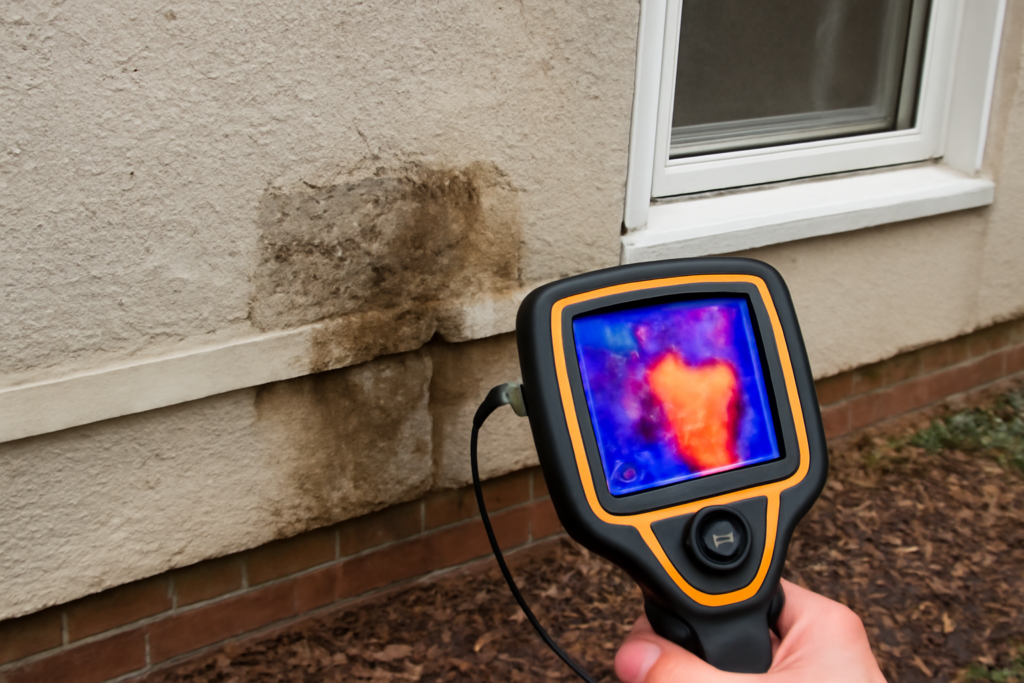
Next, we use thermal imaging cameras to scan walls, ceilings, and floors. These cameras detect temperature differences that show where moisture is hiding. The scan takes about 30 minutes to an hour, depending on the size of your home. You’ll see the results in real time. It’s a clear way to understand what’s going on without tearing up your walls. This step is where the real value comes in, finding the problem before it spreads.
Step 3: Moisture Mapping
After the scan, we create a moisture map of the areas we checked. This map shows where moisture is present and how severe it is. It helps us plan the next steps. You’ll get a detailed report that explains what we found and what we recommend. It’s a clear way to understand the situation and make informed decisions. You’ll know exactly where the problem is and what needs to be done.
Step 4: Repair Planning
Once we have all the data, we’ll discuss the next steps. We’ll explain what repairs are needed and how long they’ll take. You’ll get a clear timeline and a list of what to expect. We’ll also give you tips on how to prevent similar issues in the future. This is where we turn findings into action. You won’t be left guessing, we’ll help you make the best choices for your home.
Step 5: Follow-Up and Maintenance
After the repairs, we’ll schedule a follow-up visit to make sure everything is working as it should. We’ll check for any remaining moisture and ensure the area is fully dry. We also offer maintenance tips to help you keep your home safe. It’s not just about fixing the problem, it’s about preventing it from happening again. You can count on us for ongoing support and guidance.
Don’t wait for a leak to become a disaster. Call our team today. We’ll come out fast and give you the information you need. You’ll get a clear picture of what’s going on and the steps to take. It’s the smart way to protect your home and your family.

Warning Signs You Need Thermal Imaging Leak Detection
Early detection is key to preventing major damage. If you spot these signs, it’s time to act. The sooner you address the issue, the less damage you’ll face. Don’t ignore these red flags, they can lead to bigger problems if left unchecked. You can avoid costly repairs by staying alert and taking action quickly.
Musty Odors That Won’t Go Away
A damp, moldy smell is a clear sign of hidden moisture. You might think it’s just a bad odor, but it could mean a leak is causing mold growth. You don’t want to ignore this. It’s a sign that moisture is building up somewhere you can’t see. You need to find the source before it spreads and causes more damage.
Warped or Buckling Flooring
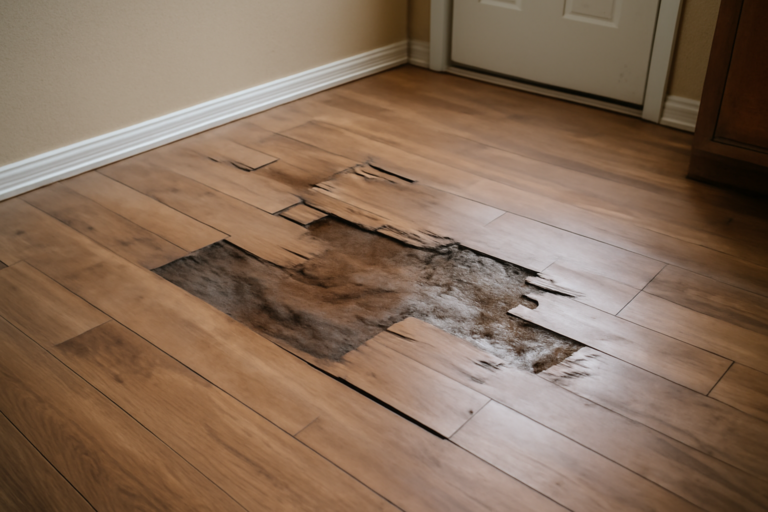
Wood or laminate floors that are soft, buckling, or warping are often a sign of water damage. You might not see the leak, but the effects are obvious. It’s a sign that moisture is getting into the structure of your home. You need to act fast to prevent more damage and keep your floors from needing replacement.
Unexplained Water Bills
If your water bill is higher than usual and you can’t find the source, it could mean a hidden leak. You might not notice water pooling, but the damage is still happening. It’s a sign that water is escaping somewhere in your home. You need to get it checked before the problem gets worse.
Damp Spots on Walls or Ceilings
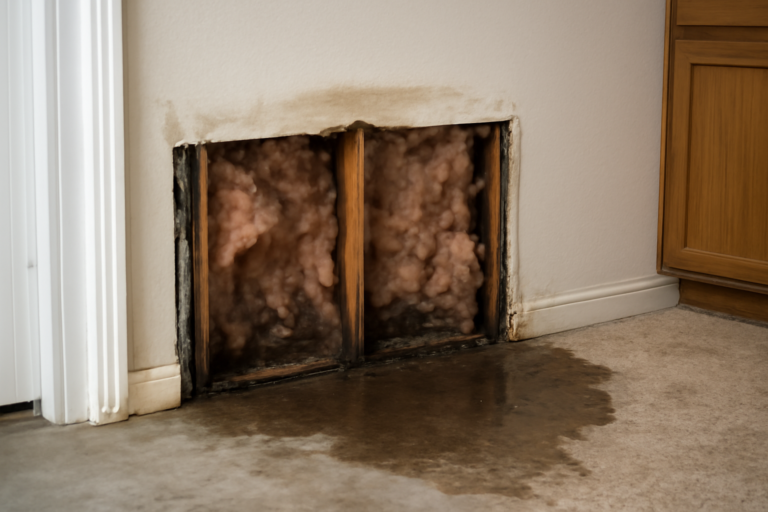
Moisture on walls or ceilings is a red flag. You might not see water, but the dampness is there. It could mean a leak is causing condensation or seeping through cracks. You need to find the source before it leads to mold, rot, or structural damage. This is a sign that something is wrong and needs attention.
Peeling Paint or Bubbling Wallpaper
Paint that peels or wallpaper that bubbles is a sign of moisture behind the surface. You might not see the leak, but the damage is there. It’s a sign that water is getting into your walls. You need to act quickly to prevent more damage and avoid costly repairs down the line.
Higher Humidity Levels
Increased humidity in certain areas of your home can be a sign of hidden moisture. You might not feel it, but it can lead to mold growth and structural issues. It’s a sign that moisture is building up in places you can’t see. You need to find the source before it causes more damage and affects your health.
Thermal Imaging Leak Detection vs. DIY: When To Call a Professional
| Situation | DIY? | Call a Pro? | Why |
|---|---|---|---|
| Minor damp spots in a single room | Yes | No | It’s safe to dry the area quickly, but a professional scan can find the source before it spreads. |
| Water under the floor but no visible leak | No | Yes | Thermal imaging is the best way to find the exact location of the leak without damaging your home. |
| Mold growing on walls | No | Yes | Mold can be a health hazard and needs professional cleaning and moisture removal. |
| Unexplained water usage on the bill | No | Yes | A hidden leak can cause high water bills and damage to your home. |
| Old plumbing in the home | No | Yes | Old pipes are more likely to develop leaks that are hard to spot without thermal imaging. |
| Water coming from a wall or ceiling | No | Yes | It could be a hidden leak that needs to be found and repaired before it causes major damage. |
Thermal Imaging Leak Detection is a specialized service that needs trained professionals. It’s not something you can do on your own. The right tools and expertise make all the difference. It’s worth the investment to find the problem before it leads to bigger issues. You don’t want to take chances with your home’s safety and structure.
Thermal Imaging Leak Detection Cost In Meridian, TX
Thermal Imaging Leak Detection costs vary depending on the size of the area being checked and the complexity of the issue. You can expect to pay anywhere from $300 to $1,500 for a standard scan. This cost covers the equipment, labor, and detailed report. It’s a small price to pay for early detection and prevention of costly damage.
| Service | Typical Price Range | What Affects Cost |
|---|---|---|
| Single Room Thermal Scan | $300 – $600 | Size of the room, location of the scan, and equipment used. |
| Full Home Scan | $600 – $1,500 | Number of rooms, complexity of the layout, and any more testing needed. |
| Moisture Mapping and Report | $100 – $300 | Detail level of the report and any follow-up services included. |
| Follow-Up Scan After Repairs | $200 – $500 | Time between scans and any more findings that need attention. |
| Emergency Leak Detection | $400 – $1,000 | Urgency of the situation and availability of technicians. |
| Custom Scan for Hard-to-Reach Areas | $500 – $1,200 | Accessibility of the area and complexity of the scan. |
Exact pricing depends on the specific needs of your home. We offer free estimates to help you understand the cost and what to expect. You’ll get a clear breakdown of the work involved and a realistic idea of the final price. It’s a straightforward process that helps you make informed decisions about your home.
Service Areas Near Meridian, TX
Fort Worth, Weatherford, Grapevine, Keller, Colleyville, Southlake, Bedford, Hurst, Euless, Dallas, Irving, Plano, Richardson, Addison, Carrollton, Grapevine, Lewisville, Fort Worth, Keller, and Southlake.
Common Questions About Thermal Imaging Leak Detection
How much does Thermal Imaging Leak Detection cost in Meridian, TX?
Thermal Imaging Leak Detection in Meridian, TX typically costs between $300 and $1,500. The exact price depends on the size of your home and the complexity of the scan. You’ll get a detailed breakdown before any work starts. It’s a small investment to prevent major damage and save money in the long run.
How long does the process take?
The thermal imaging scan itself takes about 30 minutes to an hour. We’ll give you a report right after the scan so you know what’s going on. It’s fast and efficient. You won’t have to wait long to get the information you need. It’s a quick way to find the problem before it spreads.
Are hidden leaks dangerous?
Yes, hidden leaks can be dangerous. They can lead to mold growth, structural damage, and even electrical hazards. You don’t want to ignore them. It’s important to find the source and fix it before it causes more harm. We’ll help you understand the risks and take the right steps to protect your home.
What equipment is used for Thermal Imaging Leak Detection?
We use thermal imaging cameras that detect temperature changes in walls, floors, and ceilings. These cameras are designed to find moisture that you can’t see with the naked eye. They’re accurate and non-invasive. You won’t have to tear up your home to find the problem. It’s a safe and effective way to locate hidden leaks.
How can I prevent leaks in my home?
You can prevent leaks by checking your plumbing regularly, fixing small issues quickly, and using proper ventilation. You should also monitor your water bill for sudden increases. Keeping your home dry and well-maintained is the best way to avoid hidden leaks. We can help you with tips on how to protect your home and stay ahead of potential problems.
Check Our Other Relevant Services
Serving Meridian, TX And Nearby Areas