Trusted by 185+ Homeowners
Thermal Imaging Leak Detection in Grapevine, TX
- Over 188 5-Star Reviews
- Free Estimates and Quotes
- 100% Satisfaction Guaranteed
- Child, Family & Pet Safe Steps
- 24-Hour Emergency Service
- Fully Licensed & Insured
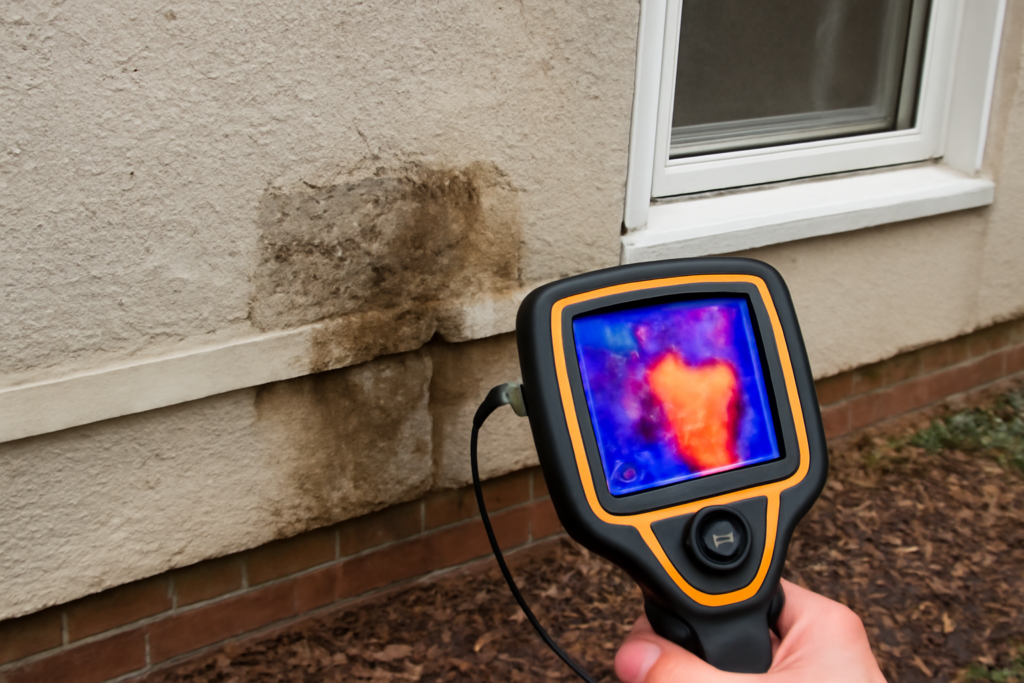
Thermal Imaging Leak Detection in Grapevine, TX
Did you know over 70% of water damage claims in Grapevine, TX start with a hidden leak? You don’t see it, but it’s already doing damage. That’s where thermal imaging comes in. It finds what your eyes can’t. And it’s faster than guessing. You don’t want to wait for the problem to get worse. Our team uses this technology to save you time and money. Don’t let a small leak become a big headache.
Homeowners around here trust our team for Thermal Imaging Leak Detection. We’ve handled over 165 five-star reviews. Why? Because we know the area. We’ve seen the types of leaks that come with old pipes, high humidity, and sudden temperature changes. We don’t just find the leak. We help you understand what it means. And we work with your insurance company to make sure you get the help you need. You’re not alone in this.
- Find hidden leaks before they become major issues. Thermal imaging shows where water is moving and where it’s not.
- Save money on repairs by catching leaks early. The longer a leak goes unnoticed, the more damage it causes.
- Speed up the process with advanced tools. You don’t wait days for a solution. You get clarity fast.
How Thermal Imaging Leak Detection Actually Works
Thermal imaging isn’t magic. It’s a science. Our team uses specialized cameras to detect temperature differences in your walls, floors, and ceilings. Water changes the way surfaces feel. That’s how we spot it. But it’s not just about finding the leak. It’s about understanding the full scope. If we don’t do it right, you could end up with more work later. That’s why we take the time to get it right the first time. You deserve that.
Step 1: Initial Inspection
Our technicians start with a visual check. They look for obvious signs of water damage. But they also scan the area with thermal imaging. This gives a full picture. You don’t want to miss anything. And you don’t want to waste time. That’s why we use the right tools for the job.
Step 2: Thermal Imaging Scan
We walk through your home with the camera. It shows where water is hiding. You can’t see it, but we can. This scan takes about 30 minutes. It’s quick, but it’s thorough. You get a clear report of where the problem is. And you know exactly what to do next.
Step 3: Identify the Source
Once we find the leak, we start digging. That could mean checking under floors, behind walls, or in the attic. It’s not always easy. But we know what to look for. We use the thermal image as a guide. That way, we don’t waste time. You don’t have to wait. You get answers fast.
Step 4: Document and Report
We make sure everything is clear. We take photos, notes, and a detailed report. This helps with your insurance claim. It shows exactly what happened and how we fixed it. You don’t have to explain it to your insurance company. We do that for you. And we make sure the process is smooth.
Step 5: Repair and Prevention
Once we know where the leak is, we start fixing it. That could mean replacing pipes, sealing cracks, or adjusting your plumbing. We don’t just patch it. We fix it right. And we help you prevent future leaks. That’s how we make sure you’re protected. You don’t want to go through this again.
Don’t wait for the problem to get worse. Call us today. We’ll find the leak and get you back on track. You don’t have to deal with this alone. Our team is here for you. And we’ll make sure you’re covered. It’s the right move for your home.

Warning Signs You Need Thermal Imaging Leak Detection
Some leaks show up fast. Others hide for weeks. You need to know the signs. If you ignore them, the damage can be serious. That’s why we’re here. We help you catch it early. And that means less stress and less cost.
Musty Odors That Won’t Go Away
That smell you can’t get rid of? It’s probably from hidden moisture. You don’t want to live with that. And you don’t want the mold to grow. Thermal imaging finds the source before it spreads. You don’t want to wait for the problem to get worse.
Wet Spots on Walls or Floors
You see a wet spot, but it’s not from a spill. That’s a red flag. It could mean a leak behind the wall. You don’t want to ignore it. Thermal imaging shows exactly where the moisture is. You don’t want to guess. You get the truth.
Unexplained Water Bills
Your water bill is higher than usual. You’re not using more water. That’s a sign something’s wrong. A hidden leak could be the cause. Thermal imaging finds it before it costs you more. You don’t want to waste money. You want to save it.
Damp or Warped Flooring
Your floor feels wet, even if you don’t see water. It could mean a leak under the surface. You don’t want to walk on it. Thermal imaging shows where the moisture is. You don’t want to risk further damage. You get the facts fast.
High Humidity Without a Source
You don’t have a humidifier. But the air feels damp. That’s a sign of hidden moisture. You don’t want to live in that environment. Thermal imaging finds where the water is. You don’t want to ignore it. You get clarity and peace of mind.
Slow Dripping Sounds
You hear a drip, but you can’t find the source. That’s a sign of a hidden leak. It could be in the walls or under the floor. Thermal imaging finds it before it becomes a flood. You don’t want to wait. You get the help you need fast.
Thermal Imaging Leak Detection vs. DIY: When To Call a Professional
| Situation | DIY? | Call a Pro? | Why |
|---|---|---|---|
| You see a small drip under the sink | Yes | No | It might be a simple fix. But a leak could be hidden elsewhere. |
| You smell dampness in one room | No | Yes | That could be a hidden leak. You need to find it before it spreads. |
| You notice your water bill went up | No | Yes | A hidden leak can increase your bill. You need to find it fast. |
| You hear a dripping sound at night | No | Yes | It could be a leak in the walls. You don’t want to wait. |
| You see mold growing in a corner | No | Yes | Mold means moisture. That’s a sign of a hidden leak. You need to act. |
| You have a new home with unknown plumbing | No | Yes | Old pipes can cause leaks. Thermal imaging finds them before they become a problem. |
Some leaks are easy to spot. Others need the right tools. Thermal imaging is the best way to find hidden water. It saves time, money, and stress. You don’t want to guess. You want the facts. And that’s why you call a professional. It’s the smart choice for your home.
Thermal Imaging Leak Detection Cost In Grapevine, TX
Thermal Imaging Leak Detection costs vary. It depends on how much damage there is, how big the area is, and how fast we need to act. These are general estimates. You get an exact price after we assess your situation. It’s important to know what to expect. But it’s more important to fix the problem before it gets worse.
| Service | Typical Price Range | What Affects Cost |
|---|---|---|
| Basic Thermal Imaging Scan | $200 – $600 | Size of the area and how many rooms are checked. |
| Full Home Scan | $600 – $1,500 | More rooms mean more time and equipment needed. |
| Leak Source Identification | $300 – $900 | How deep the leak is and how much access is needed. |
| Follow-Up Scan | $150 – $400 | To check if the repair was successful. |
| Insurance Documentation | $200 – $500 | Time to prepare reports and support your claim. |
| Preventative Scan for New Homes | $300 – $800 | To catch issues before they start. |
These are just estimates. Your cost could be higher or lower. That’s why we offer a free on-site assessment. You get a clear idea of what to expect. And you don’t pay until you’re ready. It’s that simple. You don’t have to worry about hidden fees or surprises.
Service Areas Near Grapevine, TX
Grapevine, Southlake, Westlake, Colleyville, Hurst, Euless, Bedford, Keller, Fort Worth, Grapevine Lake, North Richland Hills, Benbrook, Midland, Cleburne, Burleson, Watauga, Roanoke, Azle, Midway, and Hurst-Euless.
Common Questions About Thermal Imaging Leak Detection
How does thermal imaging help find leaks?
Thermal imaging sees temperature changes. Water affects how surfaces feel. That’s how we find hidden leaks. You don’t see it, but we do. And we can spot it before it causes more damage. That’s why it’s so useful. It gives you a clear picture of what’s going on.
Can I do this myself?
You can look for obvious signs. But hidden leaks need the right tools. Thermal imaging is specialized. You need a professional to use it. That’s why it’s best to call a team with the right equipment. You don’t want to guess. You want the facts. And that’s what we provide.
How long does the process take?
Thermal imaging takes about 30 minutes. But the whole process can take a few hours. It depends on how big the area is. And how much work is needed. You don’t have to wait long. We work quickly, but we don’t rush. You get the best results.
Will my insurance cover this?
Most insurance companies cover leak detection if it’s part of a claim. We help with the paperwork. You don’t have to handle it yourself. We’ll make sure your claim is strong. And we’ll work with your provider to get the right coverage. You don’t have to worry about the details.
What if I don’t fix a hidden leak?
A hidden leak can cause serious damage. It can weaken your home’s structure. It can cause mold. It can increase your water bill. That’s why it’s important to act fast. You don’t want to wait. You get the help you need before it’s too late.
Check Our Other Relevant Services
Serving Grapevine, TX And Nearby Areas