Trusted by 185+ Homeowners
Sewer Backup Water Removal in Saginaw, TX
- Over 188 5-Star Reviews
- Free Estimates and Quotes
- 100% Satisfaction Guaranteed
- Child, Family & Pet Safe Steps
- 24-Hour Emergency Service
- Fully Licensed & Insured
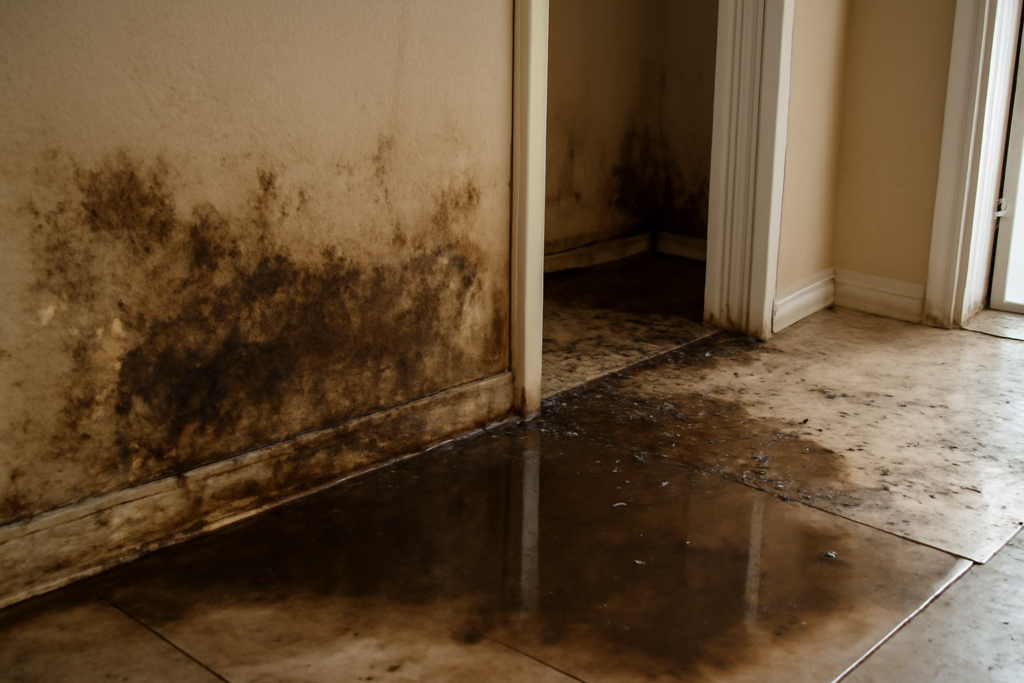
Why Sewer Backup Water Removal Matters in Saginaw, TX
Did you know that 40% of sewer backup claims in Saginaw, TX involve property damage that could have been prevented with quick action? You don’t have to wait for the worst to happen. Our team has seen how fast things can go wrong when water backs up from the sewer. It’s not just a mess, it’s a health hazard. The longer you wait, the more damage you’ll face. Don’t let it get worse. Take action now. Our crews are ready to help you.
Homeowners in Saginaw, TX trust our team for Sewer Backup Water Removal because we’ve handled thousands of cases. With 165+ five-star reviews, we understand what matters most. You need someone who moves fast, uses the right tools, and knows how to handle the job safely. Our technicians are IICRC certified and trained to deal with the mess and the risks. You’re not alone in this.
- Fast response time we’ll be at your door within an hour of your call.
- Specialized equipment we use high-powered extractors and air movers to dry things out.
- Clear communication we keep you informed every step of the way.
How This Service Actually Works
When you call for Sewer Backup Water Removal, our team doesn’t just show up and start cleaning. We follow a strict process to make sure everything is handled right. Skipping steps can lead to mold, lingering odors, and structural damage. You don’t want to risk your home. Our process is designed to be thorough, fast, and safe. It’s about protecting your property and your health.
Assessment and Safety
Our first step is to assess the damage and make sure it’s safe to proceed. We check for electrical hazards, structural risks, and the extent of the water. You should never try to handle this on your own. We use specialized tools to test the water and identify the source. It’s important to act fast. The longer the water sits, the more damage it causes.
Water Extraction
We use heavy-duty extractors to remove standing water as quickly as possible. This step is crucial to prevent mold and other issues. We’ll work through the affected areas, pulling out as much water as we can. You don’t want to wait for the water to dry on its own. It’s not safe and it won’t be effective. Our equipment is built for this kind of job. We do it right the first time.
Decontamination and Disinfection
After the water is gone, we focus on cleaning and disinfecting. Sewer backup can carry harmful bacteria and viruses. We use EPA-approved solutions to make sure everything is safe. This step is just as important as the water removal. You need to know your home is clean and safe. We don’t leave until we’re sure everything is handled properly.
Drying and Air Movement
Once the area is clean, we set up air movers and dehumidifiers to dry everything out. This process can take a few days, depending on the damage. We monitor the progress constantly to make sure we’re on track. You don’t want to rush this step. It’s about preventing long-term damage. Our goal is to get your home back to normal as quickly as possible.
Final Inspection and Cleanup
We do a final inspection to make sure everything is dry and safe. We check for any remaining moisture and address it before we leave. You should feel confident that your home is restored. We also do a final cleanup to make sure the space is ready for you. It’s about more than just removing water, it’s about restoring your home.
Don’t wait for the problem to get worse. Call our team today. You need the right help, fast. We’ll get to your home within an hour. We have the tools and the experience to handle this. It’s worth every penny. We make sure you’re protected and your home is safe.

Warning Signs You Need Sewer Backup Water Removal
Ignoring the signs of a sewer backup can cost you more in the long run. You might not notice it at first, but the damage adds up. Catching it early can save you time, money, and stress. It’s important to act when you see these signs. Don’t let it get out of hand.
Musty Odors That Won’t Go Away
A strong, unpleasant smell in your home or basement is a red flag. It could mean there’s standing water or mold growing. You shouldn’t ignore it. It’s a sign that something is wrong. The longer you wait, the worse it gets. You need to take action before the problem spreads.
Slow Draining Sinks and Toilets
If your drains are slow or your toilet won’t flush, it could be a sign of a blockage. This is a common early sign of a sewer backup. You should check the entire system. It’s not just one drain, it’s a larger issue. Don’t wait until it’s too late. Fix it before it causes more damage.
Water Rising in Your Drainage System
If you see water rising in your drains or toilet, that’s a clear sign of a backup. It’s not normal and it’s dangerous. You should stop using the affected area immediately. It’s a sign that the sewer line is blocked or damaged. You need to call for help right away. It’s not something you can fix on your own.
Water in Your Yard or Basement
Water pooling in your yard or basement can be a sign of a sewer backup. It could mean the line is cracked or broken. You should check for any signs of water in low-lying areas. It’s a sign that something is wrong with your system. You need to act fast to prevent more damage.
Unusual Bubbles in a Toilet or Sink
If you see bubbles in your toilet or sink, it’s a sign that there’s a blockage. This is a common symptom of a sewer backup. It’s not something to ignore. You should check the entire system for blockages. It’s a sign that the problem is spreading. You need to fix it before it causes more damage.
High Water Bills Without a Clear Cause
If your water bill is higher than usual and you can’t find a reason, it could be a sign of a leak or backup. You should check your meter and look for signs of water use. It’s not always obvious. You might not see water, but it’s still causing damage. You need to investigate and take action.
Sewer Backup Water Removal vs. DIY: When To Call a Professional
| Situation | DIY? | Call a Pro? | Why |
|---|---|---|---|
| Small puddle in a single room | Yes | No | It’s manageable but not safe to do alone. |
| Water in the basement from a broken pipe | No | Yes | It’s a health hazard and needs professional tools. |
| Odors and mold growth after a backup | No | Yes | Mold can spread quickly and is dangerous to breathe. |
| Water backed up from the sewer line | No | Yes | It’s a complex issue that needs specialized equipment. |
| Multiple drains are clogged and water is rising | No | Yes | It’s a serious problem that could lead to major damage. |
| Unclear source of the backup or no visible water | No | Yes | It’s a hidden problem that needs expert help to fix. |
Some situations are best left to the experts. Sewer backup can be dangerous and difficult to handle on your own. It’s not just about removing the water, it’s about making sure everything is safe and clean. You need the right tools and the right knowledge. Don’t take chances. Call for professional help when you need it.
Sewer Backup Water Removal Cost In Saginaw, TX
Costs for Sewer Backup Water Removal in Saginaw, TX vary based on the size of the job and the extent of the damage. You can expect to pay between $500 and $2,500 for a typical job. The price depends on how much water there is and how far it has spread. You should always get a free estimate before any work starts.
| Service | Typical Price Range | What Affects Cost |
|---|---|---|
| Initial assessment and safety check | $200 – $600 | Time of day, number of affected areas, and complexity of the job. |
| Water extraction | $300 – $1,200 | Amount of water, location, and accessibility of the area. |
| Decontamination and disinfection | $200 – $800 | Type of contaminants, size of the area, and required cleaning methods. |
| Drying and air movement | $400 – $1,500 | Time needed for drying, number of units used, and moisture levels. |
| Final inspection and cleanup | $150 – $500 | Extent of damage, number of areas inspected, and cleanup required. |
| More services (e.g., mold removal) | $300 – $1,000+ | Severity of mold, size of the affected area, and required treatments. |
Exact pricing depends on a site visit. We offer free estimates so you know what to expect. You can count on us to be honest and clear about the cost. We don’t charge for the initial assessment. You have the right to know what you’re paying for.
Service Areas Near Saginaw, TX
Saginaw, Fort Worth, Azle, Midland, Weatherford, Grapevine, Hurst, Southlake, Keller, Colleyville, Westlake, Lewisville, Flower Mound, Carrollton, Irving, Richardson, Plano, Frisco, McKinney, Allen
Common Questions About Sewer Backup Water Removal
How much does Sewer Backup Water Removal cost in Saginaw, TX?
Costs vary depending on the size of the job and the damage. You can expect to pay between $500 and $2,500 for a typical job. We offer free estimates so you know what to expect. You don’t have to worry about hidden costs. We’re clear about the price from the start.
How long does the process take?
It usually takes 3-5 days to fully dry and restore your home. The time depends on the amount of water and the extent of the damage. We work quickly to make sure everything is handled right. You don’t want to wait for the water to dry on its own. It’s not safe or effective.
What are the health risks of a sewer backup?
Sewer backups can carry harmful bacteria and viruses. You should never try to clean it yourself. It’s a health hazard. We use EPA-approved solutions to make sure everything is safe. You need to protect yourself and your family from exposure. It’s not worth the risk.
What equipment do you use for sewer backup removal?
We use high-powered extractors, air movers, and dehumidifiers to handle the job. These tools are designed for large-scale water removal. You don’t want to use regular equipment. It’s not enough to stop the damage. We have the right tools for the job. It’s about doing it right the first time.
How can I prevent a sewer backup?
Regular maintenance and inspections can help prevent backups. You should check your drains and pipes for blockages. It’s also important to avoid pouring grease or oil down the drain. You can reduce the risk by using drain covers and scheduling professional inspections. It’s about being proactive. Don’t wait for the problem to happen.
Check Our Other Relevant Services
Serving Saginaw, TX And Nearby Areas