Trusted by 185+ Homeowners
HVAC Leak Water Removal in Roanoke, TX
- Over 188 5-Star Reviews
- Free Estimates and Quotes
- 100% Satisfaction Guaranteed
- Child, Family & Pet Safe Steps
- 24-Hour Emergency Service
- Fully Licensed & Insured

Why HVAC Leak Water Removal Matters in Roanoke, TX
Roanoke, TX gets more than its fair share of summer storms and sudden temperature changes. When the humidity spikes and the air conditioning runs nonstop, it’s easy for leaks to form in ducts or around the unit. You might not notice it at first, but that moisture can quickly turn into a big problem. You don’t want to ignore it. Act fast and stay ahead of the damage.
Homeowners in Roanoke, TX know that water damage can ruin your home, your belongings, and your peace of mind. That’s why our team has built a reputation for being the go-to experts for HVAC Leak Water Removal. With 165+ five-star reviews, we’ve helped countless families in your neighborhood. Proven results and real care set us apart from the rest.
- Fast response times mean less damage and lower costs. We start working on your issue as soon as you call.
- Specialized equipment lets us handle even the toughest leaks with precision and care.
- Clear communication keeps you in the loop every step of the way. No surprises, just honest updates.
How This Service Actually Works
When you call for HVAC Leak Water Removal, our team doesn’t just rush in and start spraying. We take the time to find the source of the leak and fix it properly. A quick fix might save you some money now, but it can cause bigger issues down the road. Proper diagnosis and thorough cleanup are what matter most.
Step 1: Assess the Damage
We start by examining your HVAC system and looking for signs of water. We use tools like moisture meters and thermal imaging to find hidden leaks. This step helps us pinpoint the issue and plan the next steps. It’s important to get this right from the start.
Step 2: Remove the Water
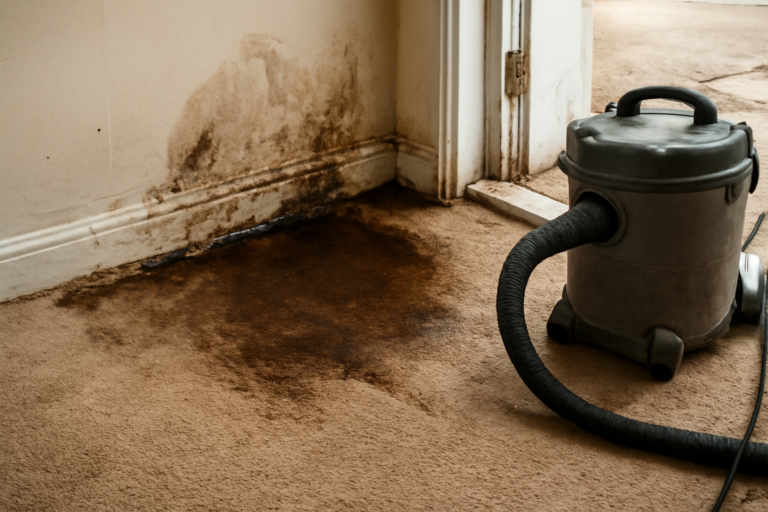
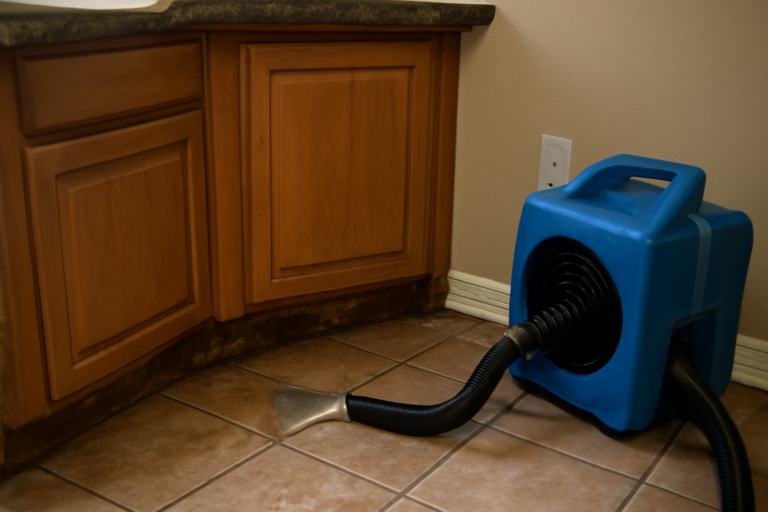
Once we know where the leak is, we use powerful extractors to remove standing water. We also dry out the surrounding areas with air movers and dehumidifiers. This process can take a few hours to a few days depending on the size of the problem. Quick action prevents mold growth and keeps your home safe.
Step 3: Repair the Leak
After the area is dry, we fix the source of the leak. That could mean replacing damaged ducts, sealing gaps, or fixing the AC unit itself. We use high-quality materials to make sure the repair lasts. Strong fixes and lasting solutions are our goal.
Step 4: Clean and Sanitize
We don’t stop at just removing water. We clean and sanitize the affected areas to prevent bacteria and mold. This step is crucial for your health and the long-term condition of your home. Thorough cleaning and safe environments are our priority.
Step 5: Final Inspection
Before we leave, we do a final inspection to make sure everything is working properly. We check for moisture levels and confirm that the repair is holding up. This step gives you peace of mind and confidence in the work we’ve done.
Don’t wait for the problem to get worse. Call us today and get your home back on track. We’re here to help you through every step of the process.

Warning Signs You Need HVAC Leak Water Removal
Early detection can save you a lot of trouble. If you notice any of these signs, it’s time to act. Ignoring them can lead to more damage and higher costs. Stay alert and take action before it’s too late.
Musty Odors That Won’t Go Away
A damp, moldy smell in your home is a red flag. It means water is trapped somewhere and starting to grow mold. This can cause health issues and damage your property. Check for moisture and address the source as soon as possible.
Water Pools Near the HVAC Unit
If you see puddles or wet spots around your AC unit, that’s a sign of a leak. The water might be coming from the condensate drain or a broken pipe. Inspect the area and call a professional for help.
Increased Humidity Inside the Home
High humidity levels can mean your AC isn’t working properly. It could also mean there’s a leak in the system. Monitor the humidity and look for water signs to catch the problem early.
Unusual Sounds from the HVAC System
Strange noises like gurgling or dripping can point to a leak. They might come from the ducts or the unit itself. Listen for changes and get it checked before it becomes a bigger issue.
Higher Energy Bills
If your energy bills suddenly go up, it could be a sign that your HVAC system is working harder than it should. This might be caused by a leak. Track your usage and investigate the cause to save money in the long run.
Damp or Discolored Walls or Ceilings
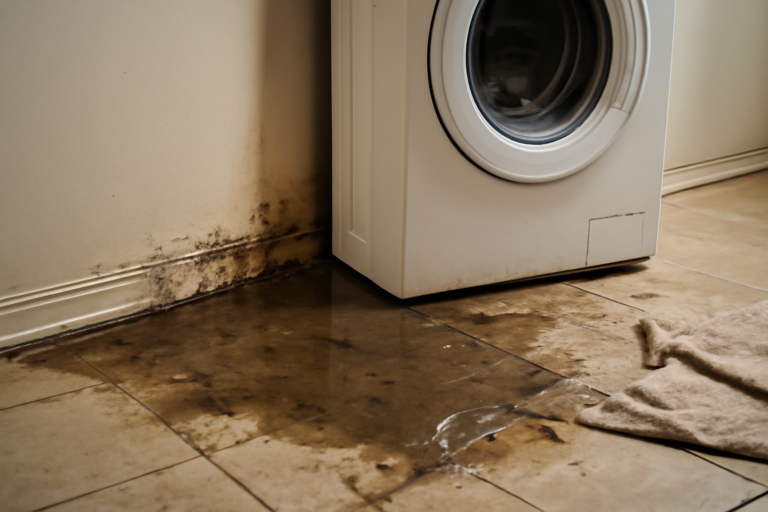
Water stains, mold, or wet spots on walls and ceilings are clear signs of a leak. These areas can be difficult to fix if not addressed quickly. Look for visible signs and get help fast to prevent more damage.
HVAC Leak Water Removal vs. DIY: When To Call a Professional
| Situation | DIY? | Call a Pro? | Why |
|---|---|---|---|
| Small puddle near the AC unit | Yes | No | It might be a simple fix, but you need to find the source. |
| Water dripping from the ceiling | No | Yes | This could mean a serious leak that needs professional help. |
| Musty smell in the house | No | Yes | Mold can grow quickly and be hard to remove without the right tools. |
| High humidity levels | No | Yes | It might be a sign of a hidden leak or a faulty system. |
| Unusual noises from the HVAC unit | No | Yes | These sounds can show a serious problem that needs expert attention. |
| Water stains on walls or ceilings | No | Yes | These are signs of past or ongoing leaks that need to be fixed. |
Some issues are easier to handle on your own, but others need the expertise of a professional. Don’t risk it and get the right help when you need it most.
HVAC Leak Water Removal Cost In Roanoke, TX
Costs for HVAC Leak Water Removal can vary depending on the size of the leak, how long it’s been going on, and the materials needed. These are general estimates to give you an idea of what to expect. Get a free estimate for a more accurate price.
| Service | Typical Price Range | What Affects Cost |
|---|---|---|
| Initial inspection and assessment | $200 – $500 | Time spent and complexity of the leak. |
| Water extraction | $300 – $800 | Amount of water and area affected. |
| Drying and dehumidification | $400 – $1,200 | Duration of drying and equipment needed. |
| Repair and restoration | $500 – $2,000 | Size of the repair and materials used. |
| Odor removal and sanitization | $200 – $600 | Extent of mold or contamination. |
| Final inspection and testing | $100 – $300 | Time and effort required to complete the job. |
These prices can change depending on your specific situation. Speak to a professional and get a clear breakdown of what you’ll be paying for.
Service Areas Near Roanoke, TX
Roanoke, TX, Fort Worth, Arlington, Westover Hills, Hurst, Euless, Bedford, Grapevine, Southlake, Keller, Colleyville, Flower Mound, Midlothian, Lake Worth, Aledo, Cleburne, Watauga, Granbury, and Weatherford.
Common Questions About HVAC Leak Water Removal
How much does HVAC Leak Water Removal cost?
Costs vary based on the size of the leak and the work needed. You can expect to pay between $500 and $2,500 for most jobs. Get a free estimate to know exactly what you’ll pay. Call us for a detailed breakdown.
How long does the process take?
It can take anywhere from a few hours to a few days. The time depends on the size of the leak and how much water is involved. Quick action helps speed up the process. Stay in touch with our team for updates.
What are the risks of ignoring an HVAC leak?
Ignoring a leak can lead to mold, structural damage, and higher energy bills. It can also cause health problems for your family. Act fast and prevent bigger issues down the road. Get help before it’s too late.
What kind of equipment do you use?
We use high-powered extractors, air movers, and dehumidifiers to dry out the area. We also use moisture meters to find hidden leaks. Advanced tools and proven techniques make the job safer and more efficient. Trust our equipment for the best results.
How can I prevent HVAC leaks?
Regular maintenance is key. Check your system for signs of wear and tear, and make sure the condensate drain is clear. Stay on top of maintenance and inspect your system regularly. Prevent leaks before they start.
Check Our Other Relevant Services
Serving Roanoke, TX And Nearby Areas