Trusted by 185+ Homeowners
HVAC Leak Water Removal in Newark, TX
- Over 188 5-Star Reviews
- Free Estimates and Quotes
- 100% Satisfaction Guaranteed
- Child, Family & Pet Safe Steps
- 24-Hour Emergency Service
- Fully Licensed & Insured

How Newark, TX’s Humid Summers Can Cause HVAC Water Leaks
Did you know that Newark, TX sees an average of 120 days of high humidity each year? That kind of moisture clings to everything, including your HVAC system. When the air conditioning works hard to cool your home, condensation builds up. If that water doesn’t drain properly, it can lead to leaks. You’re not alone if you’ve noticed water pooling around your unit or damp spots on your walls. It’s a common problem in this area. Don’t ignore it. Fix it fast.
Homeowners in the area trust our team for HVAC Leak Water Removal because we know the local climate and how it affects your home. We’ve handled hundreds of cases in Newark, TX and surrounding neighborhoods. Our process is quick and effective. We’ve got the right tools and the right experience. That’s why 165+ five-star reviews say we’re the go-to choice for this kind of work.
- Fast response time means less damage and lower costs.
- Specialized equipment removes water without harming your property.
- Expertise in local conditions ensures the job is done right the first time.
How This Service Actually Works
When you call for HVAC Leak Water Removal, our team arrives ready to act. We don’t rush. We take the time to assess the full scope of the problem. That matters because a quick fix might not solve the root cause. We use the right tools and follow a step-by-step process to make sure your home is safe and dry. It’s not just about removing water. It’s about stopping it from happening again.
Inspect the System
We start by looking at your HVAC unit and the surrounding area. We check for signs of water damage, clogged drains, and faulty parts. This step is critical. It tells us what’s wrong and how bad it is. We use moisture meters and thermal imaging to find hidden leaks. That’s how we make sure nothing is missed.
Remove the Water
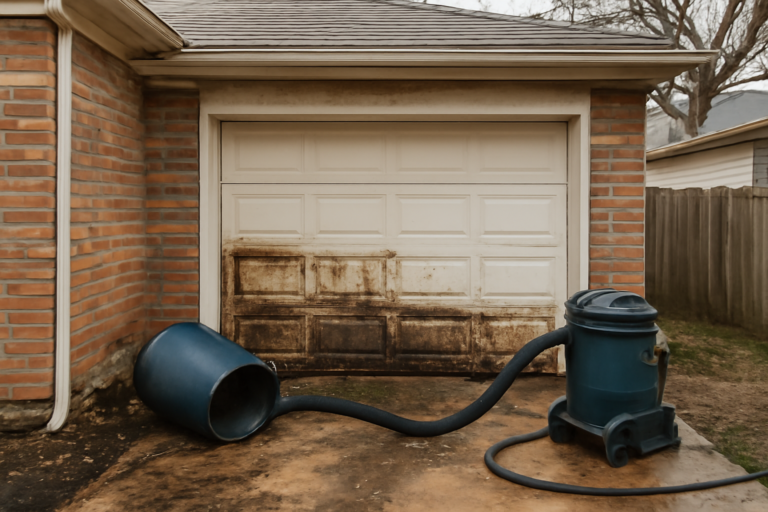
We use powerful pumps and wet vacuums to take out the water. We work fast to prevent mold and structural damage. It’s important to get rid of standing water as soon as possible. We also check for any water that has seeped into walls or floors. If there’s a lot of moisture, we might need to do more than just remove it.
Dry the Area
Drying is just as important as removing water. We use industrial air movers and dehumidifiers to pull out every drop. This process can take a few days, depending on the size of the area. We monitor the progress to make sure everything is drying properly. That way, we avoid long-term issues like mold or rot.
Fix the Source
If the leak is coming from your HVAC system, we make the necessary repairs. We check the condensate drain line, the pan, and the vents. We also make sure the unit is properly installed and level. Fixing the source stops the problem from happening again. It’s the best way to protect your home.
Complete a Final Check
We do a final inspection to make sure everything is dry and working. We test the system to see if it’s running smoothly. We also check for any lingering moisture. It’s our job to leave your home in the best possible condition. That’s how we know our work is done right.
Don’t wait. Call us today. We’ll get your home back to normal fast. Your comfort and safety matter. We’re here to help.

Warning Signs You Need HVAC Leak Water Removal
Ignoring the signs of an HVAC water leak can lead to bigger problems. The sooner you act, the less damage you’ll face. It’s important to know what to look for. These signs can save you time, money, and stress in the long run.
Musty Odors That Won’t Go Away
If your home smells damp or moldy, it could be from water trapped in your HVAC system. That smell doesn’t go away on its own. It’s a sign that mold is growing. You need to act fast. Mold can spread quickly and cause health issues.
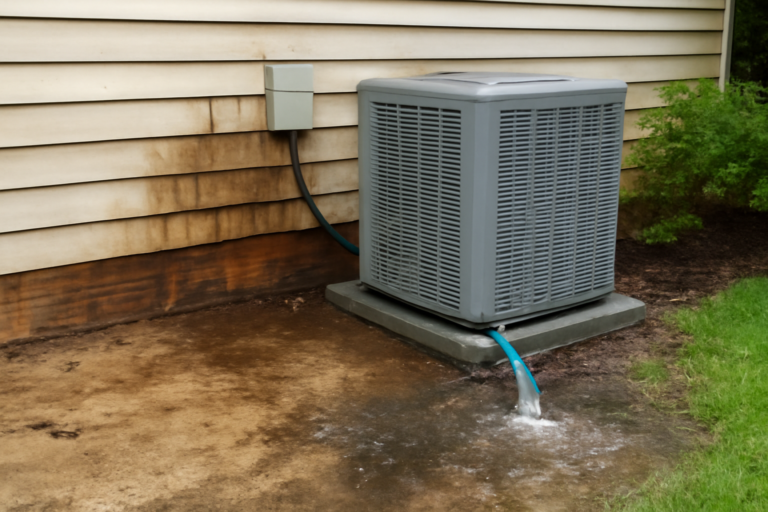
Water Puddles Near Your Unit
Standing water near your HVAC system is a red flag. It means the drain line is clogged or the pan is overflowing. That water can damage your property and create a safety hazard. Don’t let it sit. Get it fixed before it causes more harm.
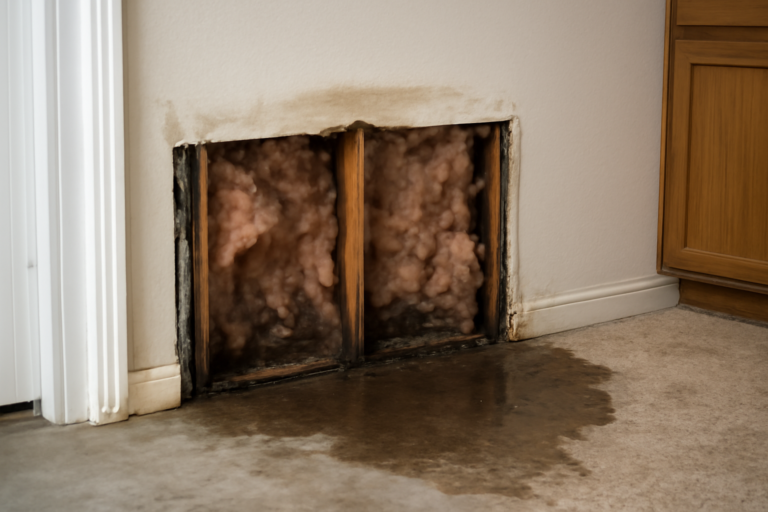
Wet or Warped Walls and Floors
If you see wet spots on your walls or floors, it could be from a leak. Water can seep into the structure of your home. That makes it harder to dry and can lead to rot. It’s important to check for these signs early. The longer the water stays, the worse the damage.
Higher Energy Bills Without a Reason
A leaky HVAC system works harder to cool your home. That means higher energy bills. If you’re paying more and don’t know why, it could be from a hidden water leak. You don’t want to ignore this. Fixing the problem can save you money in the long run.
Condensation on Windows or Walls
Extra condensation on windows or walls is a sign of humidity issues. It can also mean your HVAC system isn’t working properly. That’s not just an inconvenience. It can lead to mold growth and structural damage. Take it seriously. You don’t want to wait.
Unusual Sounds from the System
If your HVAC unit makes strange noises, it might be from water inside. That can damage the system and cause more leaks. You don’t want to keep running it if something is wrong. It’s better to shut it off and call for help. That’s how you avoid bigger problems.
HVAC Leak Water Removal vs. DIY: When To Call a Professional
| Situation | DIY? | Call a Pro? | Why |
|---|---|---|---|
| Small puddle near the unit | Yes | No | It’s easy to clean, but you might miss the real issue. |
| Water under the floor | No | Yes | It’s hidden and can cause serious damage if not handled right. |
| Condensation on the unit | Yes | No | It’s a sign of a bigger problem. You need to check the system. |
| Musty smell in the house | No | Yes | Mold is dangerous. It needs professional removal. |
| Water dripping from the ceiling | No | Yes | It could mean a serious leak. You need help fast. |
| System is making odd noises | No | Yes | It’s a sign of internal damage. You should stop using it. |
Some problems are best left to the pros. If you’re not sure, it’s better to call for help. We’re here to make sure your home is safe and dry. Don’t take chances. It’s worth it.
HVAC Leak Water Removal Cost In Newark, TX
Costs for HVAC Leak Water Removal vary depending on the size of the area and the severity of the damage. You might pay more if there’s mold or structural damage. These are estimates, not final prices. It’s best to get a free assessment to know what to expect.
| Service | Typical Price Range | What Affects Cost |
|---|---|---|
| Initial inspection and water removal | $200 – $600 | Size of the area and how much water is present. |
| Drying with air movers and dehumidifiers | $500 – $1,500 | How long the drying process takes and the number of units used. |
| Repairing the HVAC system | $300 – $1,000 | What parts need fixing and how complex the work is. |
| Mold remediation | $500 – $2,000 | How much mold is present and the area it covers. |
| Structural drying and repair | $1,000 – $3,000 | Extent of water damage and what needs fixing. |
| Final inspection and testing | $100 – $300 | How thorough the check is and any more testing needed. |
Every job is different. That’s why we offer free estimates. We’ll come out, look at the problem, and give you a clear idea of what it will cost. It’s the best way to move forward.
Service Areas Near Newark, TX
Newark, TX, Fort Worth, Weatherford, Glen Rose, Burleson, Granbury, Aledo, Hurst, Euless, Keller, Southlake, Grapevine, Lake Worth, Bedford, Hurst, Hurst, Grand Prairie, Westlake, Coppell, and Irving.
Common Questions About HVAC Leak Water Removal
How much does HVAC Leak Water Removal cost?
HVAC Leak Water Removal costs vary based on the size and severity of the problem. You might pay anywhere from $200 to $3,000. The exact cost depends on what needs fixing and how much damage there is. We offer free estimates to help you plan.
How long does the process take?
The time it takes depends on the amount of water and how fast it dries. It can take 1 to 5 days. We work quickly to get your home back to normal. You don’t have to wait long to feel better.
What are the health risks of ignoring an HVAC leak?
Ignoring an HVAC leak can lead to mold growth. That’s a serious health risk, especially for people with allergies or asthma. Mold can spread quickly and cause breathing problems. It’s best to fix it before it gets worse.
What tools do you use for water removal?
We use powerful pumps, wet vacuums, air movers, and dehumidifiers. These tools help remove water and dry your home. We use the right equipment for every situation. That’s how we make sure the job is done right.
How can I prevent HVAC leaks in the future?
Maintaining your HVAC system is the best way to prevent leaks. Clean the drain line regularly and check for clogs. Make sure the unit is level and the pan is in good condition. We can help with inspections and maintenance to keep your system running smoothly.
Check Our Other Relevant Services
Serving Newark, TX And Nearby Areas