Trusted by 185+ Homeowners
HVAC Leak Water Removal in Double Oak, TX
- Over 188 5-Star Reviews
- Free Estimates and Quotes
- 100% Satisfaction Guaranteed
- Child, Family & Pet Safe Steps
- 24-Hour Emergency Service
- Fully Licensed & Insured

When Your HVAC System Starts Leaking Water, It’s Time to Act
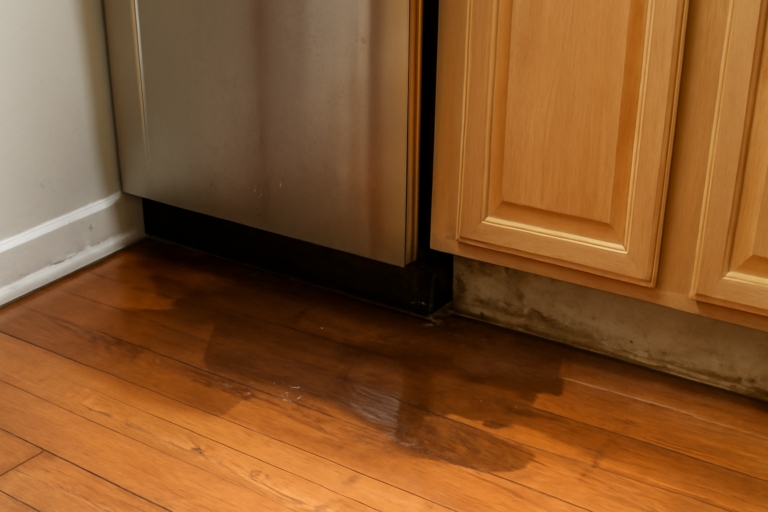
You walk into your living room and notice a puddle near the base of your HVAC unit. The air smells damp and stale. You hear a faint dripping sound that won’t stop. It’s not just a small issue, it’s a problem that needs immediate attention. You don’t have to deal with this alone. Our team knows how to handle HVAC leak water removal fast. Don’t wait, the longer you ignore it, the more damage it can cause. Get help now before things get worse.
Local homeowners like you trust our team because we’ve handled hundreds of HVAC leak water removal jobs in Double Oak, TX. We’ve earned 165+ five-star reviews for our quick response, technical skills, and clear communication. You don’t have to guess what to do. Our technicians understand the science behind HVAC systems and how to fix leaks without causing more damage. You’ll get a clear plan and real results from the start.
- Fast response time we arrive within 60 minutes of your call.
- Advanced equipment we use moisture meters and air movers to dry everything properly.
- Local expertise we know the climate and building codes in your neighborhood.
How This Service Actually Works
Fixing an HVAC leak isn’t just about removing water. It’s about identifying the source and stopping it from happening again. Our team follows a strict process that includes inspecting the system, measuring moisture levels, and using the right tools to dry everything out. Skipping steps can lead to mold, structural damage, and higher costs. We don’t take shortcuts. We do it right the first time.
Step 1: Assess the Damage
Our technicians start by finding the exact source of the leak. They use moisture meters to check how much water is in the walls, floors, and ducts. They also look for signs of mold or structural damage. This step is crucial because it tells us how much work is needed and how long it will take. Every leak is different, and we tailor our approach to your specific situation.
Step 2: Remove Standing Water
We pump out any water that has collected in your home. This includes water in the HVAC unit, under floors, and in crawl spaces. We use powerful extractors to remove the water quickly. The faster we act, the less damage there is to your home. We also set up containment barriers to keep the water from spreading to other areas.
Step 3: Dry with Industrial Equipment
After the water is removed, we use industrial air movers and dehumidifiers to dry out the affected areas. These tools help remove moisture from the air and surfaces. We monitor the progress with moisture readings to make sure everything is dry. This step can take 2-5 days depending on the size of the leak and the materials involved.
Step 4: Clean and Sanitize
We clean and sanitize all areas that were affected by the leak. This is important to prevent mold and bacteria from growing. We use safe, effective cleaning products that are approved for use in homes. We also check for any remaining moisture and make sure the space is completely dry before we leave.
Step 5: Restore and Repair
Once everything is dry and clean, we repair any damage caused by the leak. This can include fixing the HVAC unit, replacing damaged drywall, or restoring flooring. We work carefully to make sure your home looks and functions the same as before the leak. We also check for any other potential issues that could lead to future leaks.
Don’t wait for the problem to get worse. Our team is ready to help you now. We know how serious an HVAC leak can be. We act fast and do the job right. Call us today and get the help you need before it’s too late.

Warning Signs You Need HVAC Leak Water Removal
Knowing the signs of an HVAC leak can save you time, money, and stress. The earlier you act, the better your chances of avoiding serious damage. Some signs are obvious, while others may seem small at first. But even a small leak can grow into a big problem if you don’t take it seriously.
Musty Odors That Won’t Go Away
A damp, moldy smell in your home is a clear sign of moisture buildup. This can happen when water from an HVAC leak seeps into walls or floors. The smell gets worse over time and can be a health hazard. You can’t just air out your home, the moisture is trapped inside. If you notice this, it’s time to call a professional.
Water Puddles Near the HVAC Unit
If you see water pooling around your HVAC system, that’s a red flag. This can happen when the condensate drain line is clogged or the unit is misaligned. The water can damage the unit and cause electrical issues. Don’t ignore it, it can lead to a complete system failure. Fix it now before it gets worse.
Dripping Sounds or Constant Moisture
Listen for any dripping or bubbling sounds near your HVAC unit. These can mean water is collecting where it shouldn’t. You might also feel dampness on the floor or walls near the system. This is a sign of a leak that needs attention. The longer you wait, the more damage it can cause.
High Humidity Levels
If your home feels unusually humid, even when the weather is cool, that could be from an HVAC leak. The system isn’t working properly, and moisture is building up. This can lead to mold growth and uncomfortable living conditions. You need to address the leak before it becomes a bigger issue.
Warped or Peeling Paint
Water from an HVAC leak can cause paint to bubble, peel, or discolor. This is especially common on walls near the unit. The moisture can also cause drywall to sag or crumble. These signs are not something to ignore. They mean there’s hidden damage that needs to be fixed.
Increased Energy Bills
If your energy bills suddenly go up without a clear reason, it could be because your HVAC system is working harder than it should. A leak can cause the system to overwork, leading to higher costs. You might also notice your home isn’t cooling as well as it should. This is a sign that something is wrong and needs to be fixed.
HVAC Leak Water Removal vs. DIY: When To Call a Professional
| Situation | DIY? | Call a Pro? | Why |
|---|---|---|---|
| Small puddle near the HVAC unit | Yes | No | It’s better to have a professional check for hidden damage. |
| Mold growing in walls | No | Yes | Mold is a health risk and needs professional cleaning. |
| Water pooling in the basement | No | Yes | It can lead to structural damage and electrical issues. |
| Humid air and bad odors | No | Yes | Moisture buildup can cause long-term damage and health problems. |
| Leak from the condensate drain line | Yes | No | It’s a sign of a larger issue that needs attention. |
| Water in the attic or crawl space | No | Yes | It can damage insulation and support structures. |
Some situations are better left to the experts. HVAC leaks can be tricky to fix properly, and mistakes can lead to more damage. If you see any of these signs, it’s best to call a professional. They have the tools and knowledge to handle the job safely and effectively.
HVAC Leak Water Removal Cost In Double Oak, TX
Costs for HVAC leak water removal in Double Oak, TX can vary based on the size of the leak, how much water is involved, and the materials affected. These are general estimates and may not reflect your specific situation. You should always get an on-site assessment for an accurate quote.
| Service | Typical Price Range | What Affects Cost |
|---|---|---|
| Initial inspection and assessment | $100 – $300 | Size of the affected area and complexity of the leak. |
| Water extraction | $200 – $600 | Amount of water and location of the leak. |
| Moisture removal and drying | $500 – $2,500 | Time needed to dry materials and equipment used. |
| Sanitization and mold remediation | $300 – $1,500 | Extent of mold growth and cleaning required. |
| Repairs and restoration | $200 – $1,000 | Damage to walls, floors, or HVAC parts. |
| Containment and air quality testing | $150 – $500 | Need for air filtration and testing after drying. |
These costs are estimates and can change based on your specific situation. A free on-site assessment is the best way to get an accurate price. Don’t let the cost stop you from getting the help you need.
Service Areas Near Double Oak, TX
North Richland Hills, Grapevine, Hurst, Bedford, Euless, Southlake, Midlothian, Fort Worth, Keller, Colleyville, Irving, Coppell, Richardson, Plano, Frisco, Allen, McKinney, Denton, Wylie, and Little Elm.
Common Questions About HVAC Leak Water Removal
How much does HVAC leak water removal cost?
The cost can vary depending on the size of the leak and the damage it causes. You’ll get a free estimate after we assess the situation. We don’t charge for the initial inspection. The price is based on the work needed and the time it takes to fix the issue. You’ll know exactly what to expect before we start.
How long does HVAC leak water removal take?
It usually takes 2-5 days to dry everything out, depending on the amount of water and the materials involved. We work quickly to reduce damage and get your home back to normal. The timeline can change based on the complexity of the repair. We’ll keep you updated every step of the way.
What health risks come with an HVAC leak?
Mold and bacteria can grow in damp areas, which can cause allergies and respiratory issues. You may also notice a strong, unpleasant smell. These problems can get worse if the leak isn’t fixed. We clean and sanitize the area to keep your home safe and healthy.
What equipment do you use for HVAC leak water removal?
We use industrial extractors, air movers, and dehumidifiers to remove water and dry out your home. We also use moisture meters to check for hidden moisture. These tools help us do the job quickly and thoroughly. We only use equipment that’s approved for residential use and safe for your home.
Can I prevent HVAC leaks in the future?
Yes. Regular maintenance of your HVAC system can help prevent leaks. Check the condensate drain line and clean it regularly. Make sure the unit is properly installed and level. We can also help you with maintenance tips to keep your system running smoothly. Prevention is the best way to avoid future problems.
Check Our Other Relevant Services
Serving Double Oak, TX And Nearby Areas