Trusted by 185+ Homeowners
HVAC Leak Water Removal in Pecan Hill, TX
- Over 188 5-Star Reviews
- Free Estimates and Quotes
- 100% Satisfaction Guaranteed
- Child, Family & Pet Safe Steps
- 24-Hour Emergency Service
- Fully Licensed & Insured

Why HVAC Leak Water Removal Matters in Pecan Hill, TX
Did you know that 40% of water damage claims in Pecan Hill, TX involve HVAC systems? That’s a lot of homes dealing with hidden leaks that can ruin your comfort and wallet. You don’t have to let this happen. Our team has handled hundreds of these issues in your neighborhood. Strong, fast, and focused on the right fix. Don’t wait for the problem to grow.
Homeowners in Pecan Hill, TX trust our team for HVAC Leak Water Removal because we’ve built a reputation for getting the job done right. With 165+ five-star reviews, we know what it takes to handle these situations. We work with your insurance company to make sure you get the support you need. You’re not alone in this.
- Quick response time means less damage and lower costs. Our team is ready to act within 60 minutes of your call.
- Specialized equipment ensures we remove all water and dry the area thoroughly. No hidden moisture left behind.
- Insurance support helps you document the damage and file claims efficiently. We make the process easier for you.
How HVAC Leak Water Removal Actually Works
Proper HVAC Leak Water Removal isn’t just about mopping up. It’s about identifying the source, removing the water, and drying everything properly. If you rush this process, you risk mold, structural damage, and even electrical hazards. That’s why we follow a strict procedure to protect your home and your investment.
Step 1: Inspection and Assessment
Our technicians arrive with tools to find the leak and assess how much water is involved. They check the ductwork, coils, and drainage lines. They take photos and notes to document the damage. This step can take 30-60 minutes depending on the complexity. You’ll get a clear picture of what’s going on.
Step 2: Water Removal
We use powerful pumps and wet vacuums to get rid of standing water. We target all affected areas, including behind walls and under flooring. This step usually takes 1-2 hours. The faster we act, the better your chances of avoiding long-term damage.
Step 3: Drying and Dehumidification
After the water is gone, we set up industrial dryers and dehumidifiers. These machines pull moisture from the air and surfaces. We monitor the area constantly to make sure everything is dry. This part can take 3-5 days depending on the size of the problem.
Step 4: Mold Prevention and Sanitization
We apply antimicrobial treatments to prevent mold growth. We clean and sanitize all affected surfaces. This step is crucial for your health and safety. We make sure your home is safe to live in again.
Step 5: Final Inspection and Reporting
We check the area one last time to make sure everything is dry and secure. We provide a report for your insurance company and your records. You’ll get a clear summary of what was done and why. No surprises here.
Don’t take chances with your home. Call our team today. We’ll get the job done quickly and correctly. You don’t have to deal with this alone.

Warning Signs You Need HVAC Leak Water Removal
Early detection can save you money and prevent bigger problems. If you notice any of these signs, it’s time to act. Ignoring them can lead to costly repairs and health risks. Keep an eye out for these red flags.
Musty Odors That Won’t Go Away
A damp, moldy smell in your home is a sign of hidden moisture. It can come from water trapped in HVAC systems. This isn’t just an odor problem. It’s a health hazard you can’t ignore. Get help before it spreads.
Water Puddles Near Your HVAC Unit
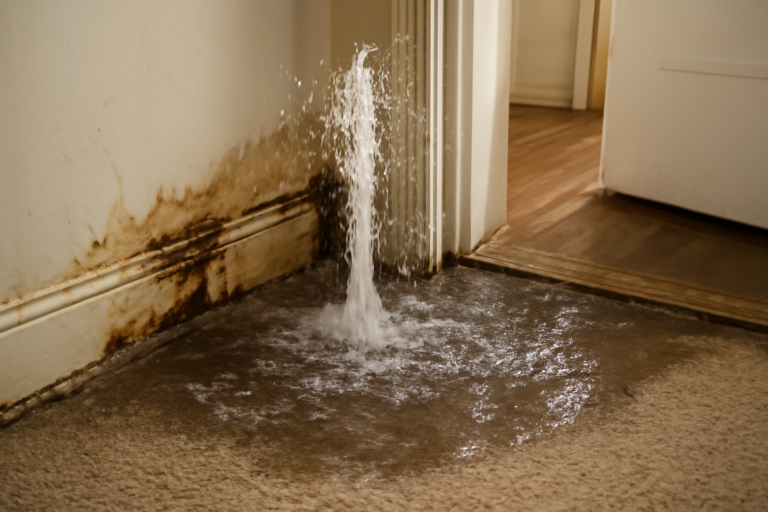
If you see water pooling around your HVAC system, that’s a clear sign of a leak. It could be from a clogged drain or a damaged coil. This water can damage your home’s structure and electrical systems. Don’t wait for it to get worse.
Higher Energy Bills Without Explanation
A sudden jump in your energy bill could mean your HVAC system is working harder to compensate for water damage. It’s a sign that something is wrong. Fixing the leak can save you money on your monthly bills.
Damp or Warped Walls and Ceilings
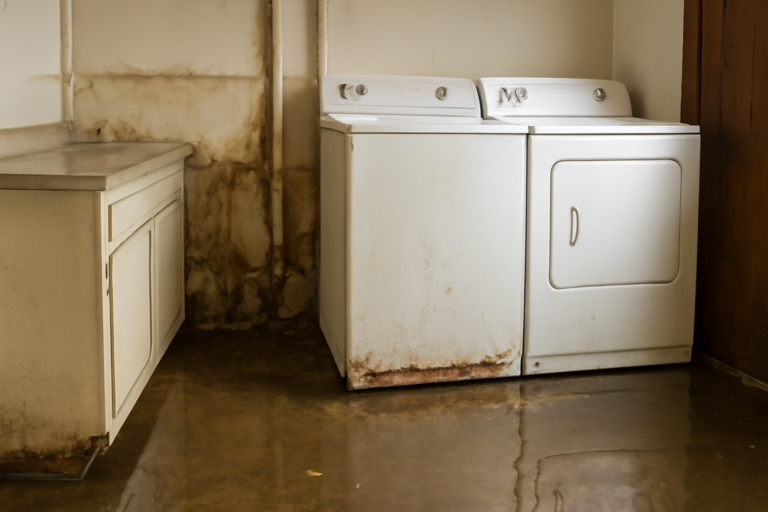
Water can cause walls and ceilings to sag, warp, or blister. These are signs that moisture has been trapped in your home. It’s a serious issue that needs immediate attention. The longer you wait, the more damage you’ll face.
Unexplained Mold Growth
Mold can grow in hidden places, especially in your HVAC system. It’s a health risk and a sign of moisture you can’t see. Mold can spread quickly if not treated. Don’t let it take over your home.
Strange Noises from Your HVAC System
Louder noises, vibrations, or gurgling sounds can mean water is interfering with your HVAC system. It’s a sign that something is wrong. Ignoring these sounds can lead to more expensive repairs down the road.
HVAC Leak Water Removal vs. DIY: When To Call a Professional
| Situation | DIY? | Call a Pro? | Why |
|---|---|---|---|
| Small water puddle near the HVAC unit | Yes | No | It’s better to get a professional to check for hidden damage. |
| Visible mold in the ductwork | No | Yes | Mold can spread quickly and is dangerous to handle alone. |
| Humid air and strange smells | No | Yes | Moisture in the system can lead to bigger issues. |
| Water leaking from the AC coil | No | Yes | It’s a sign of a larger problem that needs expert help. |
| Condensation dripping from vents | No | Yes | It could mean the system isn’t working properly. |
| Wet ceiling with no visible leaks | No | Yes | It could be from a hidden HVAC leak. Get a professional to find it. |
Some issues are easy to handle, while others need a professional. If you’re not sure, it’s always better to call an expert. They have the tools and knowledge to fix the problem right the first time.
HVAC Leak Water Removal Cost In Pecan Hill, TX
Costs for HVAC Leak Water Removal in Pecan Hill, TX vary based on the size of the problem, how much water is involved, and how quickly you act. These are general estimates and not guarantees. You’ll get a clear breakdown of what to expect after an on-site assessment.
| Service | Typical Price Range | What Affects Cost |
|---|---|---|
| Initial inspection and assessment | $150 – $300 | Complexity of the leak and time needed to evaluate the damage. |
| Water removal and extraction | $200 – $600 | Amount of water and how quickly it’s removed. |
| Drying and dehumidification | $500 – $1,500 | Size of the affected area and how long it takes to dry. |
| Mold prevention and sanitization | $200 – $500 | Extent of mold growth and treatment needed. |
| Final inspection and reporting | $100 – $250 | Detail of the documentation and insurance support. |
| Full system restoration | $1,000 – $3,000+ | Damage severity and need for repairs or replacement. |
Exact costs depend on the situation and an on-site evaluation. We offer free estimates to help you understand what to expect. You’ll get a clear, honest breakdown of the work needed.
Service Areas Near Pecan Hill, TX
Aubrey, Grapevine, Flower Mound, Coppell, Keller, Southlake, Colleyville, Fort Worth, Hurst, Euless, Bedford, Midlothian, Red Oak, Benbrook, Hurst, Westworth Village, North Richland Hills, Burleson, Granbury, and Cleburne.
Common Questions About HVAC Leak Water Removal
How does insurance cover HVAC leak water removal?
Most insurance policies cover water damage from sudden leaks. Our team helps you document the damage and file the claim. We work directly with your insurance company to make the process easier. You don’t have to handle it alone.
How long does the process take?
It depends on the size and severity of the leak. Most jobs take 3-5 days to complete. We work quickly to reduce disruption to your home. You’ll get a clear timeline before we start the work.
What health risks are involved?
Water leaks can lead to mold growth, which can cause respiratory issues and other health problems. It’s important to address the leak quickly. We handle the drying and sanitization to keep your home safe.
What equipment do you use for water removal?
We use industrial-grade pumps, wet vacuums, and dehumidifiers to remove water and dry the area. We monitor the process to ensure everything is dry. This equipment is designed for tough jobs and fast results.
How can I prevent future leaks?
Regular maintenance of your HVAC system is key. We recommend checking the drain lines and coils at least once a year. Cleaning the system and keeping it in good shape can prevent leaks and save you money in the long run.
Check Our Other Relevant Services
Serving Pecan Hill, TX And Nearby Areas